Living Well with Osteoporosis: Why Patient Education Matters
Osteoporosis is a chronic and often silent condition that can have a significant impact on mobility, independence and quality of life. For many people, it is only diagnosed after a fragility fracture. While effective treatments are available to reduce the risk of future fractures, helping patients understand their condition, remain engaged with treatment and manage their bone health over the long term remains a major challenge.
In Wales, a new patient-centred initiative is addressing this challenge through Living Well with Osteoporosis, a six-week self-management education programme developed through collaboration between the National Bone Health Team and Education Programme for Patients (EPP) Cymru.
The programme aims to empower people living with osteoporosis to better understand their diagnosis, make informed decisions about their treatment and develop the confidence to manage their condition.
Its early evaluation results demonstrate high levels of participant satisfaction and highlight the value of placing patient experiences at the centre of osteoporosis care.
Osteoporosis: A growing challenge
An estimated 500 million people worldwide are living with osteoporosis. In the UK, approximately 3.5 million people have the condition, contributing to over 500,00 fragility fractures each year and healthcare costs exceeding £4.5 billion annually.
Fragility fractures can lead to pain, reduced mobility, loss of independence and a lower quality of life. They also increase demand on healthcare and social care services. Importantly, a first fragility fracture signals an increased risk of further fractures, making timely assessment, treatment and follow-up essential.
Despite the availability of effective osteoporosis treatments, gaps in secondary fracture prevention remain. More than half of patients experiencing a fragility fracture are not identified for secondary prevention, and only around one in five receive a documented annual review of treatment adherence.
In Wales, more than 21,000 fragility fractures occur annually, with associated healthcare costs estimated at £133 million. Many people at high risk of future fractures remain untreated, while around half of those who start treatment discontinue it within the first year.
These figures highlight the need to look beyond diagnosis and medication alone. Health literacy is a key factor in the successful management of long-term conditions. Patients who understand their condition are more likely to adhere to treatment, adopt healthier lifestyles, recognise risk factors, and participate in follow-up care. In contrast, poor understanding is associated with lower treatment adherence and poorer health outcomes.
A national commitment to better bone health
Improving osteoporosis care has become a national priority in Wales. A ministerial mandate introduced in 2023 requires patients experiencing a fragility fracture to receive standardised, high-quality care aligned with national Fracture Liaison Service (FLS) recommendations and Royal Osteoporosis Society standards.
Wales has established three ambitions for secondary fracture prevention:
· 80% of eligible patients identified following a fragility fracture.
· 50% of eligible patients commencing osteoporosis treatment.
· 80% of patients remaining adherent to treatment at 52 weeks.
These targets reflect the importance of identifying patients at risk, initiating appropriate treatment and supporting long-term adherence.
The Welsh Government’s Quality Statement for Osteoporosis and Bone Health also recognises the importance of preventing fractures and improving bone health more broadly. Recognising the importance of patient empowerment and self-management, the Welsh Government highlighted education and awareness as fundamental components of high-quality osteoporosis care.
To support this ambition, the National Bone Health Team collaborated with EPP Cymru to develop the Living Well with Osteoporosis self-management programme. The programme complements clinical treatment by helping patients develop the knowledge and skills needed to manage their condition.
A patient-centred educational programme
The programme was co-designed by patients, clinicians, National Bone Health Lead for Wales and EPP Cymru, reflecting the principles of value-based healthcare and ensuring that patients’ priorities informed its development.
Patient engagement activities and “What Matters” conversations identified common concerns among people living with osteoporosis. These included understanding their diagnosis and bone density scan results, concerns about medication, fear of falling, uncertainty about safe physical activity, and questions about nutrition and lifestyle.
Such concerns can have a significant impact on everyday life. Fear of falling or sustaining another fracture may lead people to avoid physical activity, while uncertainty about treatment can undermine confidence and medication adherence.
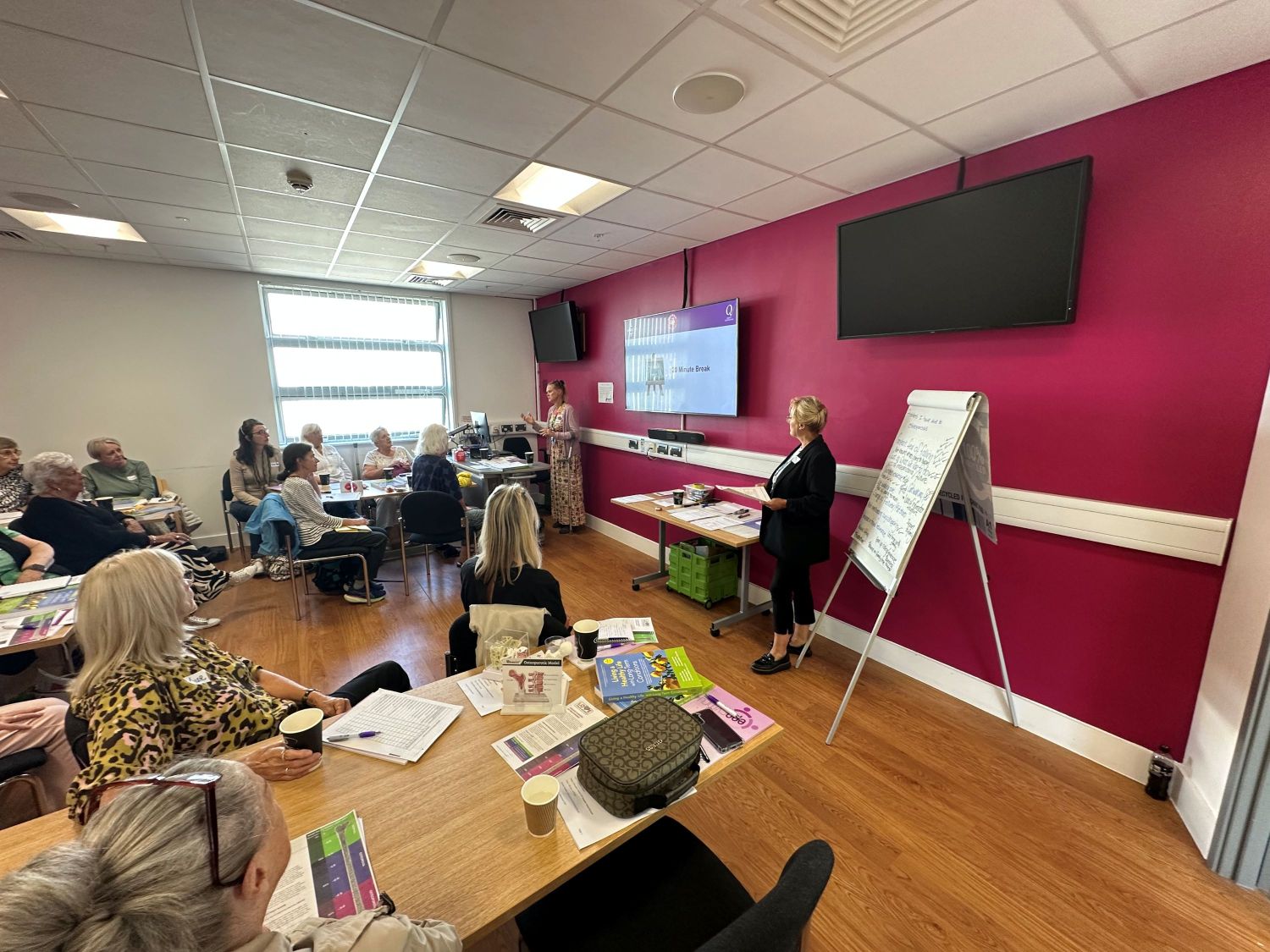
The six-week programme was designed to address these challenges through accessible information, practical advice and opportunities for discussion and shared learning.
Its objectives include improving understanding of osteoporosis and fracture risk, supporting informed treatment decisions, encouraging medication adherence, promoting bone-healthy behaviours and reducing fear of activity and falls. Ultimately, it aims to help participants feel more confident and empowered to live well with osteoporosis.
Learning from participants: encouraging early results
The first EPP course was delivered in August 2025 within the Aneurin Bevan Fracture Liaison Service (AB-FLS), providing an opportunity to pilot and refine the programme in a real-world clinical setting. The programme was evaluated using the validated EDUCATOOL questionnaire, which assesses participants’ reactions, learning, behavioural intentions and expected outcomes. Three sequential Plan-Do-Study-Act (PDSA) cycles supported continuous improvement.
The first cohort achieved an overall EDUCATOOL score of 94.2 out of 100, indicating excellent acceptability and perceived value.
Participant feedback also identified opportunities to strengthen the programme, particularly around nutrition, fear of falling, movement and exercise. In response, the team introduced enhanced guidance on calcium, protein and vitamin D intake, practical calcium calculators, tailored yoga and chair-based exercise sessions, dedicated discussions about fear of falling, and additional information about dual-energy X-ray absorptiometry (DXA) scans and bone density assessment.
Following these changes, the second cohort achieved a score of 93.1 out of 100, demonstrating continued high levels of participant satisfaction.
The third phase explored whether accredited EPP trainers who had completed the osteoporosis training programme could deliver the sessions. This cohort achieved a score of 85.0 out of 100. Although lower than the scores achieved by the first two cohorts, the results remained positive and suggested that delivery beyond the original clinical team was feasible and acceptable.
These findings provide encouraging early evidence of the programme’s acceptability. Further evaluation will be needed to establish its longer-term effects on treatment adherence, quality of life and fracture prevention.
The importance of shared learning and patient voices
For participants, the benefits extended beyond learning about osteoporosis. The opportunity to share experiences, ask questions and connect with others facing similar challenges helped create a supportive environment.
One participant explained:
“Having the opportunity to access information regarding my condition and listening to how others cope with their condition and the strategies they used really helped me.”
Another described the programme’s role in coming to terms with their diagnosis:
“This course helped me immensely with coming to terms with my diagnosis and for that I am very grateful.”
Peer support was particularly valuable for some participants. One reflected:
“Getting involved with the course was the first time I felt I had the opportunity to feel part of a community, with the chance to express concerns and also find solutions.”
Another participant highlighted the relationships developed through the programme:
“The tutors Chris and Jules were fabulous, and the support from the other women was priceless. Knowing we are not alone is really important, and I have also found a new walking buddy to help reach exercise targets while in good company.”
These experiences illustrate how structured education can provide more than information. It can also offer reassurance, encourage discussion and help people feel less isolated following a diagnosis.
The opportunity to ask questions and address concerns directly was another important aspect of the programme. One participant explained:
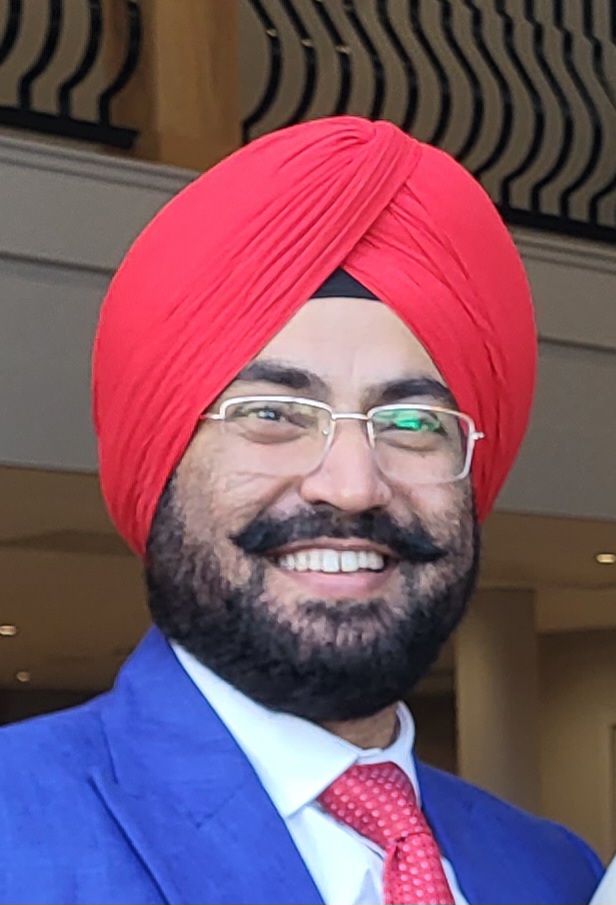
“Being able to ask questions to Dr Singh and also others asking has now meant I do not need to make an appointment as all my worries and questions have been answered. Thank You.”
Another highlighted the importance of listening to patients:
“For the first time I saw first hand how the power that putting the voice of the patient at the heart of every conversation can really achieve life changing discussions.”
Together, these accounts reinforce the value of patient-centred care and the role that education and peer support can play in helping people manage osteoporosis with greater confidence.
Making patient education part of fracture prevention
Osteoporosis care has traditionally focused on diagnosis, fracture risk assessment and medication. These remain essential, but structured education can improve outcomes by helping patients understand their condition, make informed treatment decisions, adopt bone-healthy habits and engage with follow-up care.
For Fracture Liaison Services, education strengthens the pathway from identifying patients after a fragility fracture to supporting them over the longer term. It reinforces clinical advice, addresses misconceptions and concerns, and can improve confidence, physical activity and treatment adherence.
However, challenges remain. The programme has been evaluated in a limited number of cohorts in Wales, and its findings may not yet be generalisable to other healthcare settings. Current results primarily reflect participant experiences, learning and behavioural intentions; longer-term studies are needed to assess effects on adherence, falls, fractures, healthcare utilisation and quality of life.
Expanding access will also require consideration of workforce pressures and the limitations of face-to-face delivery. Digital and hybrid learning options could help reach more patients, reinforce information between appointments and provide flexible access to reliable resources. These approaches should complement opportunities for direct interaction and peer support, while taking account of accessibility and digital inclusion.
Looking ahead
The recommended next steps for Living Well with Osteoporosis include expanding evaluation across Welsh health boards, testing delivery in different settings and populations, and measuring longer-term outcomes. Further priorities include developing digital and hybrid learning options, training healthcare professionals to reinforce consistent self-management messages, establishing national outcome measures and exploring how education can be embedded within FLS and wider osteoporosis care pathways.
The early findings demonstrate that a structured, patient-centred education programme is feasible and well received by participants. Continued evaluation will help determine how it can be delivered sustainably and whether it leads to lasting improvements in patient outcomes.
The Welsh experience highlights an important principle for secondary fracture prevention: identifying patients and initiating treatment are essential, but helping people understand their diagnosis and feel supported in managing their bone health is also part of effective long-term care.
By placing patients’ voices at the centre of service development, Living Well with Osteoporosis represents a promising step towards a more holistic approach to osteoporosis management in Wales.
Acknowledgements
The Capture the Fracture® team warmly thanks Dr Inderpal Singh OBE, Consultant Geriatrician, Aneurin Bevan University Health Board, National Clinician Lead, Bone Health (Wales) and member of the CTF network for his invaluable contribution.
We also extend our sincere thanks and congratulations to all stakeholders involved in the project for their amazing work, notably:
· Jules Godden, Academy Training Manager, EPP Cymru. NHS Wales Performance and Improvement
· Christine Roach, Self Management Programme Lead, NHS Wales Performance and Improvement
· Helen Griffith and Amanda Scarfe, EPP Coordinators, ABUHB, Wales
References
1. Chen, J., Huang, D. & Lou, D. Effects of health education on treatment adherence, dietary supplement use, and disease health knowledge among people with osteoporosis: a meta-analysis. Osteoporos Int (2026). https://doi.org/10.1007/s00198-026-07942-6
2. Welsh Government (2023), Quality Statement for Osteoporosis and Bone Health, Available at https://www.gov.wales/quality-statement-osteoporosis-and-bone-health-html, Accessed: 13 August 2026